Scientific Independence
A disciplined forum for medical knowledge, evidence evaluation, and professional judgment.
Independent International Medical Academic Association
The Asia-Pacific Medical Association (APMA) is an independent, international medical academic organization uniting physicians, medical scientists, public health experts, clinical educators, and institutions across the Asia-Pacific and the wider global health community. APMA advances scientific inquiry, clinical excellence, medical education, population health, and principled international collaboration in service of the public good.
Scientific rigor. Professional independence. Global collaboration. Public purpose.
A disciplined forum for medical knowledge, evidence evaluation, and professional judgment.
Supporting careful exchange on standards, quality, safety, and responsible medical practice.
Translating medical knowledge into clear public education without exaggeration or simplification.
Advancing cross-border collaboration across medical science, education, health systems, and shared regional priorities.
Discover APMA
APMA convenes medical expertise across disciplines and jurisdictions, translating rigorous scholarship into clinical dialogue, public-health intelligence, and responsible international cooperation.

Clear, accessible health information designed to strengthen informed decisions and responsible prevention.
Explore Preventive Health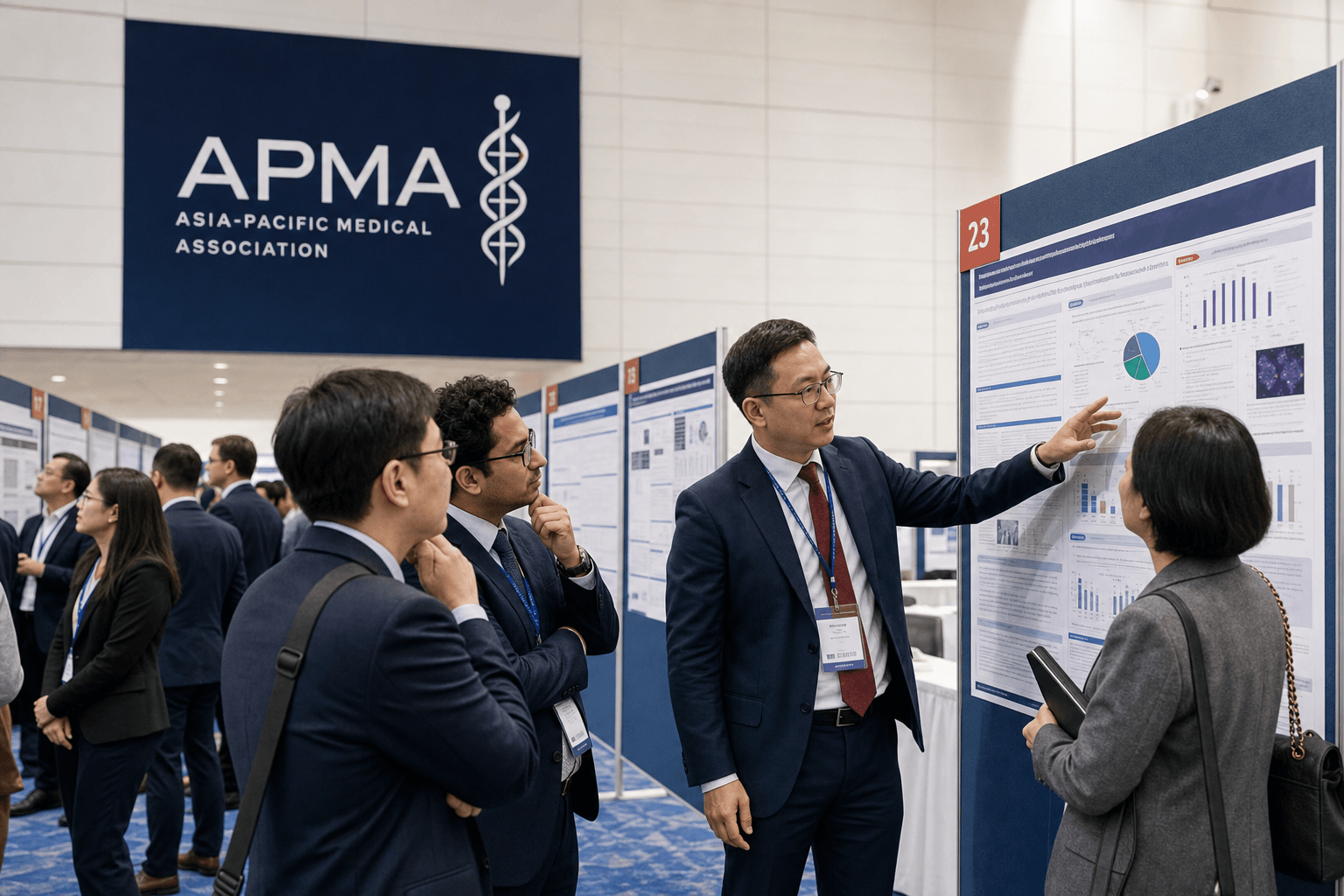
Professional exchange focused on standards, quality, safety, and continuous improvement in care.
Explore Clinical Conditions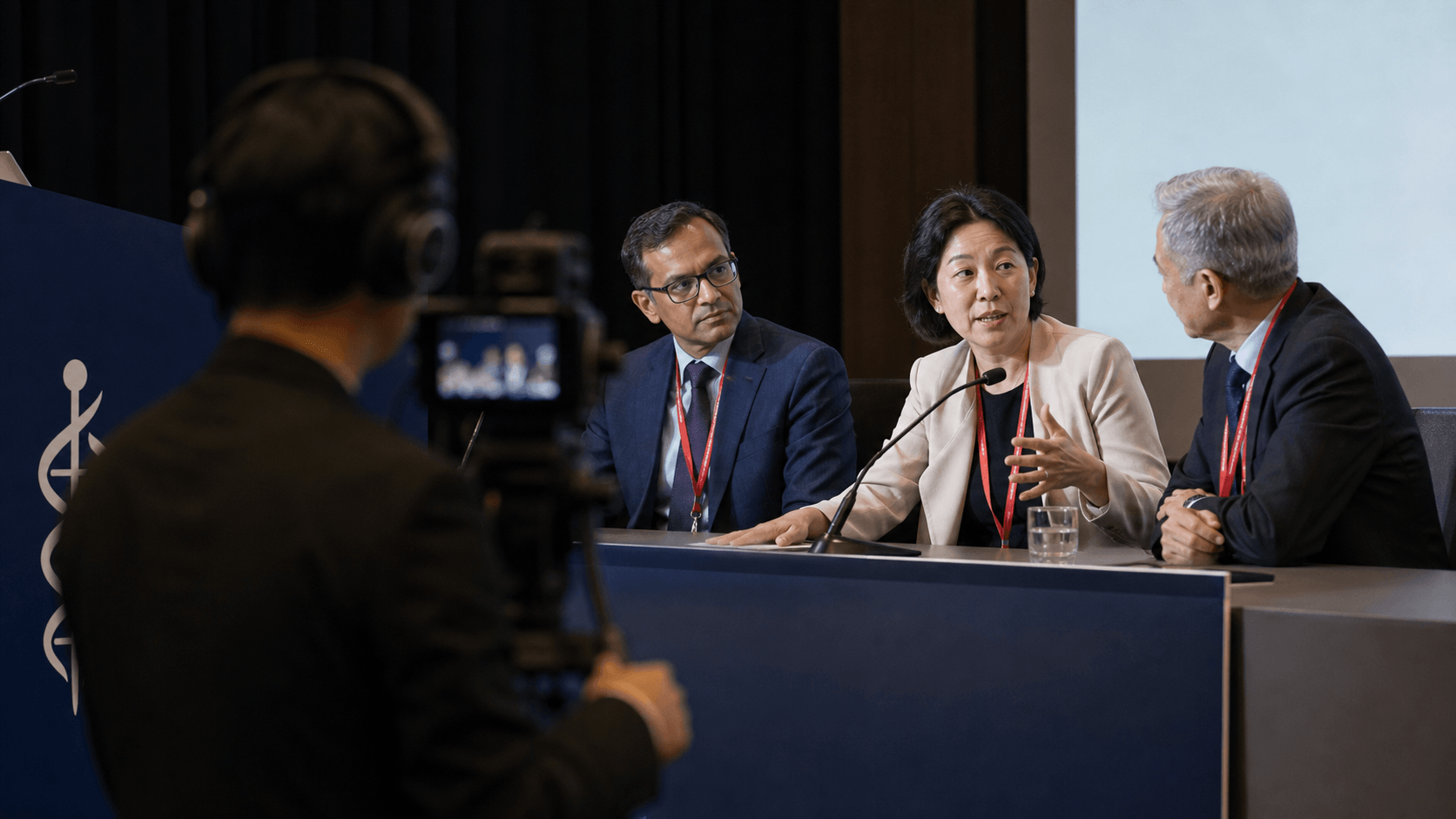
Independent academic dialogue supporting research translation and evidence-informed policy perspectives.
Explore Science & Policy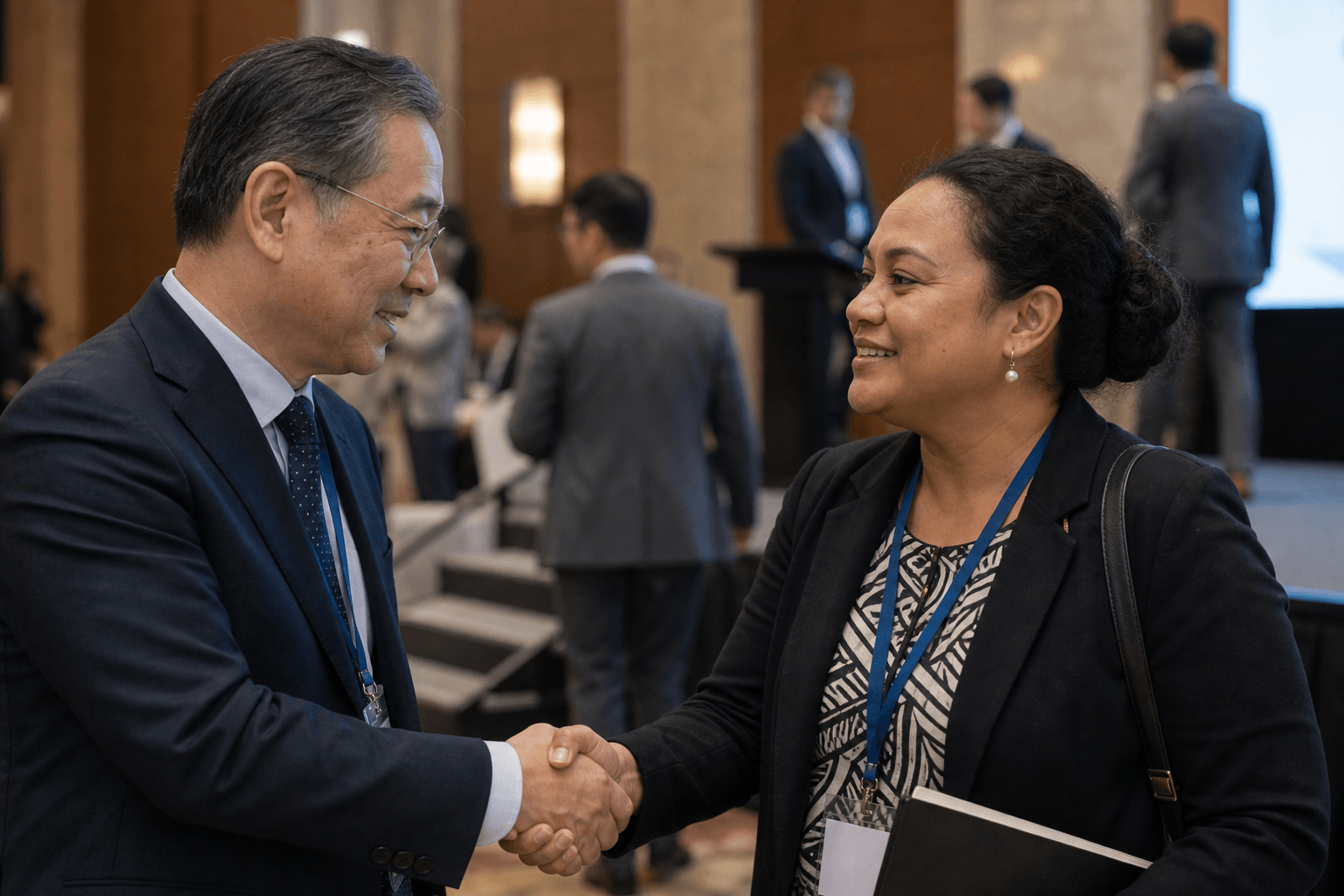
A professional forum for physicians, scientists, educators, and public health leaders.
Explore Membership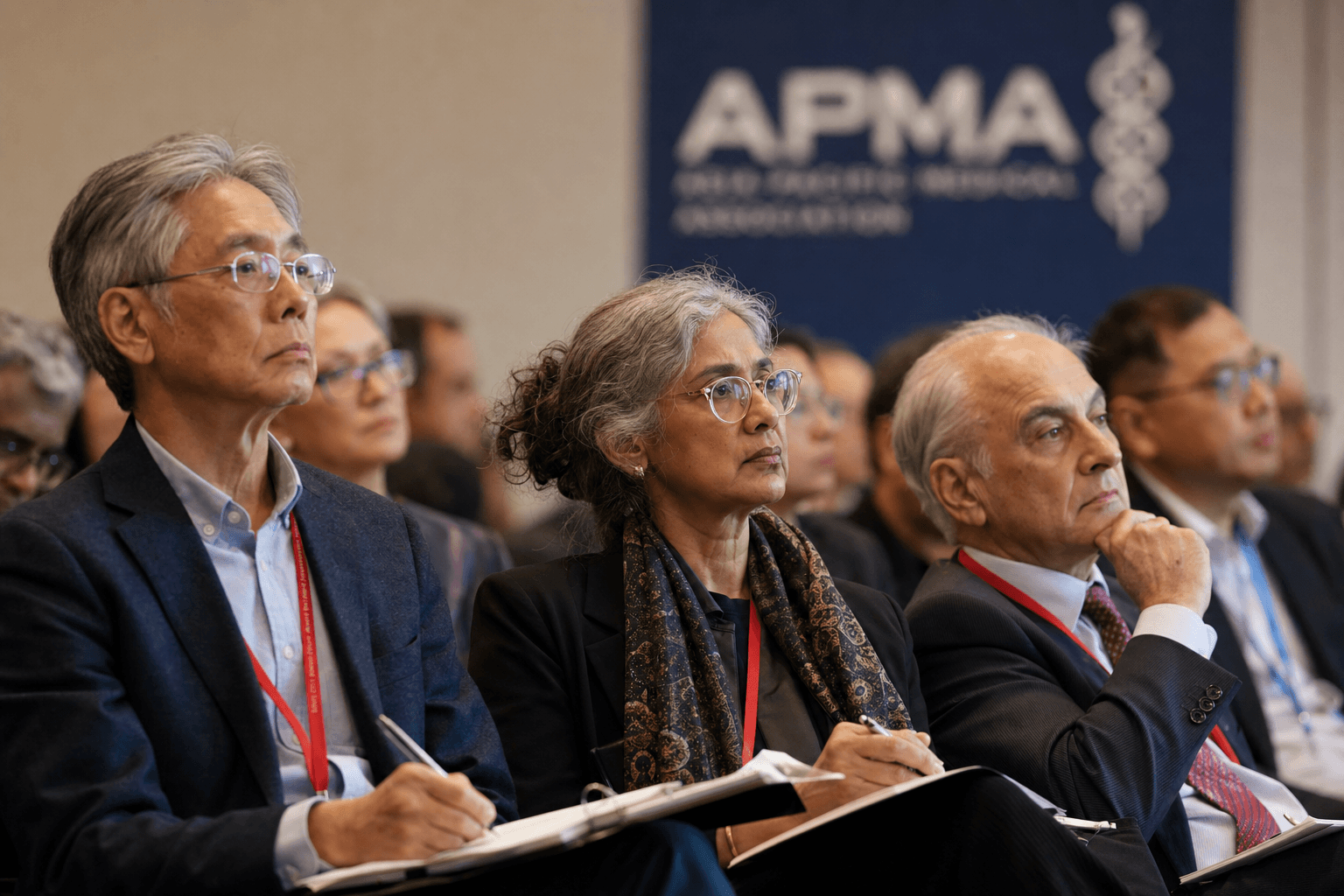
How APMA Advances Medicine and Health
APMA's work follows the continuum from scientific discovery to clinical judgment, from expert deliberation to population-health impact, and from regional priorities to globally relevant medical cooperation.
Bring together clinicians, researchers, and health leaders for structured academic exchange.
Support public-facing health literacy grounded in scientific reasoning and professional review.
Promote dialogue across institutions, specialties, and regions on shared health priorities.
Membership
APMA connects physicians, medical scientists, public-health experts, educators, emerging leaders, and institutions through a shared commitment to scientific excellence, ethical practice, professional advancement, and cross-border medical cooperation.
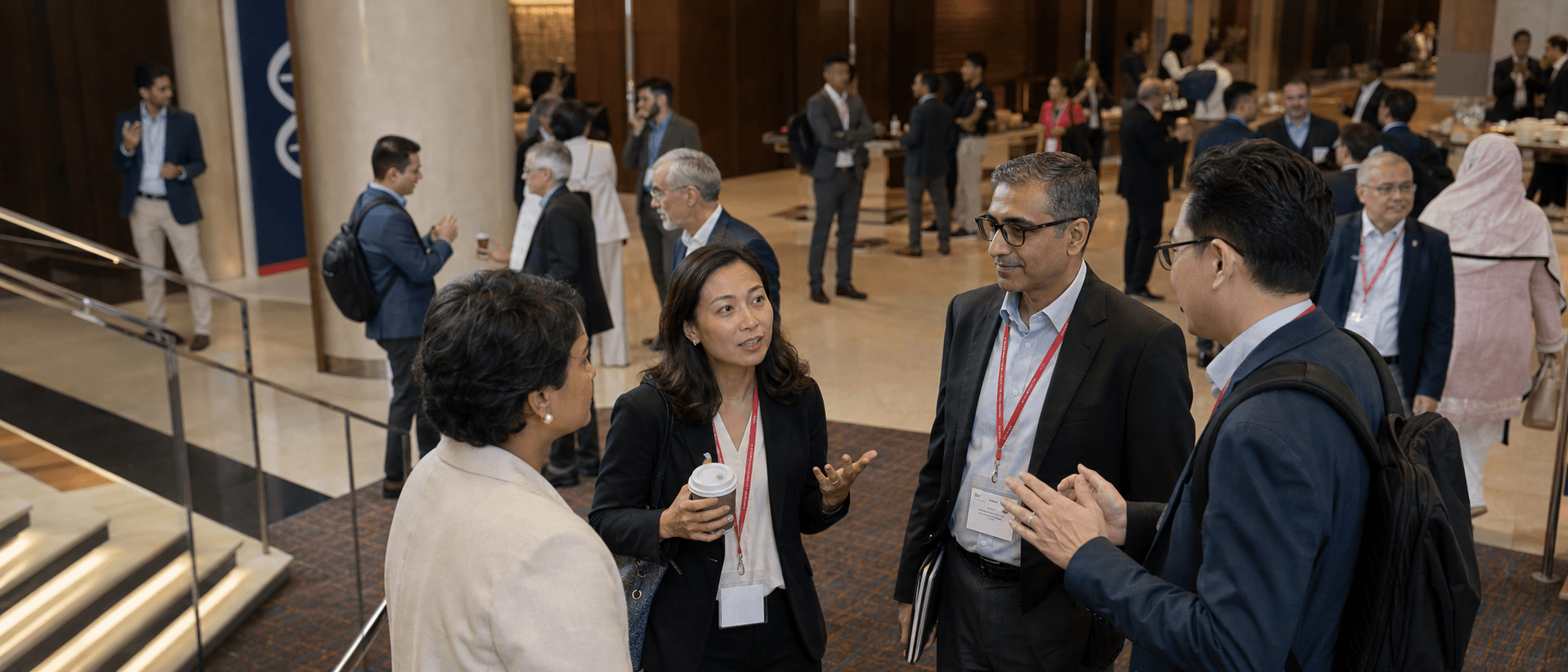
Membership. Science. Public Responsibility.
Membership provides a structured relationship with APMA's academic mission and international professional community. It supports responsible participation in scientific areas, specialty committees, educational initiatives, and research communication.
Defined categories provide clear entry points for emerging professionals, established practitioners, distinguished leaders, and eligible institutions.
For residents, doctoral candidates, researchers in training, medical trainees, and emerging health professionals.
For physicians, scientists, educators, public-health professionals, and qualified health-sector practitioners.
For senior professionals with sustained contribution, ethical standing, leadership, and public-health relevance. Approved Fellows may use FAPMA.
For universities, teaching hospitals, research institutes, health systems, and public-health organizations.
Join a professionally governed academic community committed to advancing medicine and improving health across the Asia-Pacific and beyond.
Specialty Committees
APMA Specialty Committees provide a multidisciplinary academic framework for evidence-informed dialogue, professional education, research communication, and the responsible interpretation of developments across clinical and population health.
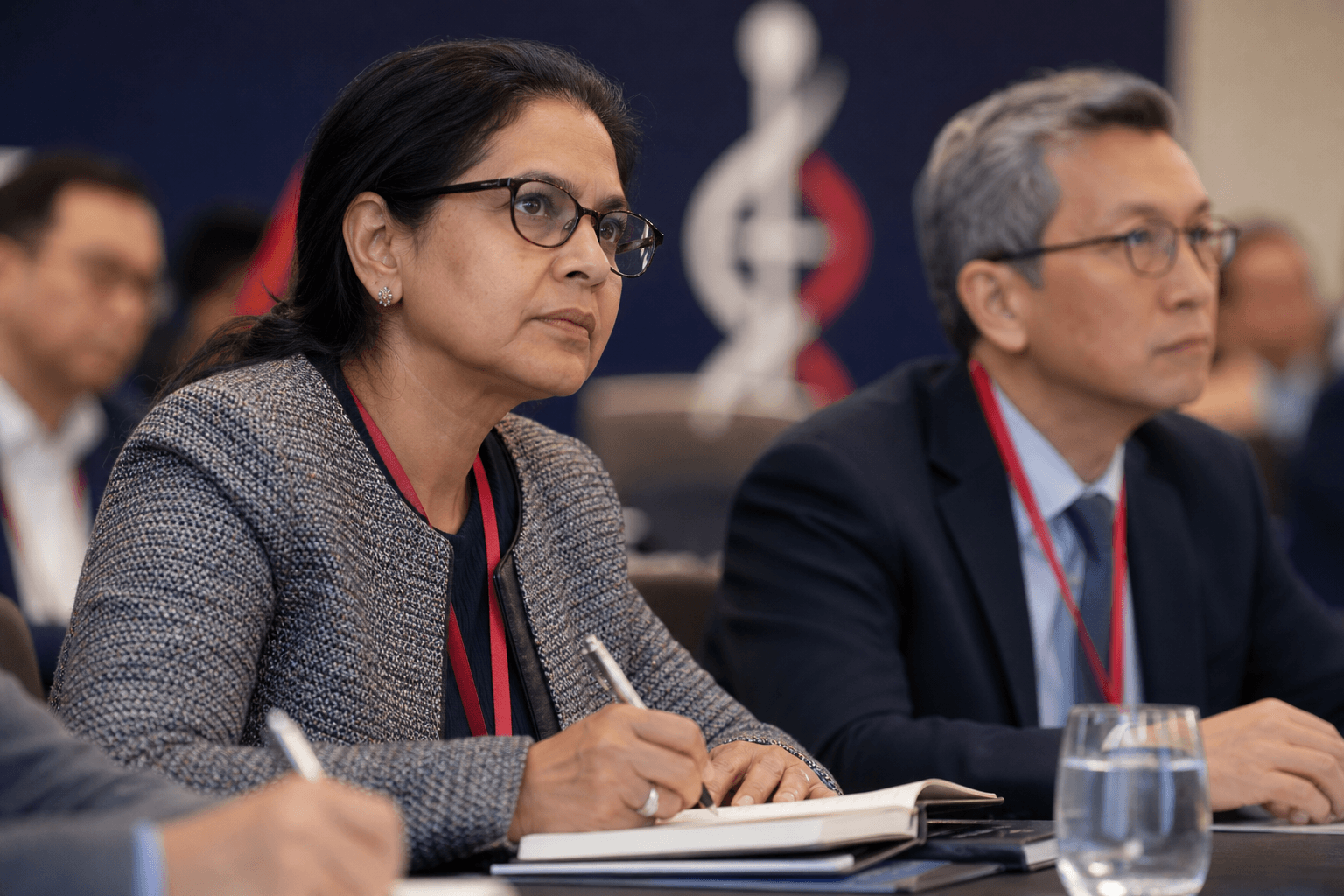
Expert dialogue across internal medicine and the major clinical specialties.
Explore CommitteesAcademic exchange spanning general, specialist, reconstructive, and perioperative practice.
Explore CommitteesScientific perspectives on imaging, pathology, laboratory science, and diagnostic quality.
Explore CommitteesRegional and international insight into prevention, equity, systems, and public purpose.
Explore CommitteesResponsible discussion of emerging technologies, biomedical research, data, and innovation.
Explore CommitteesEthics, education, leadership, communication, quality, and professional responsibility.
Explore CommitteesHealthy Living
The APMA Library of Preventive Medicine and Population Health brings together evidence-informed education on prevention, risk reduction, health literacy, screening conversations, environmental health, and healthy ageing—presented with scientific care and clear professional boundaries.
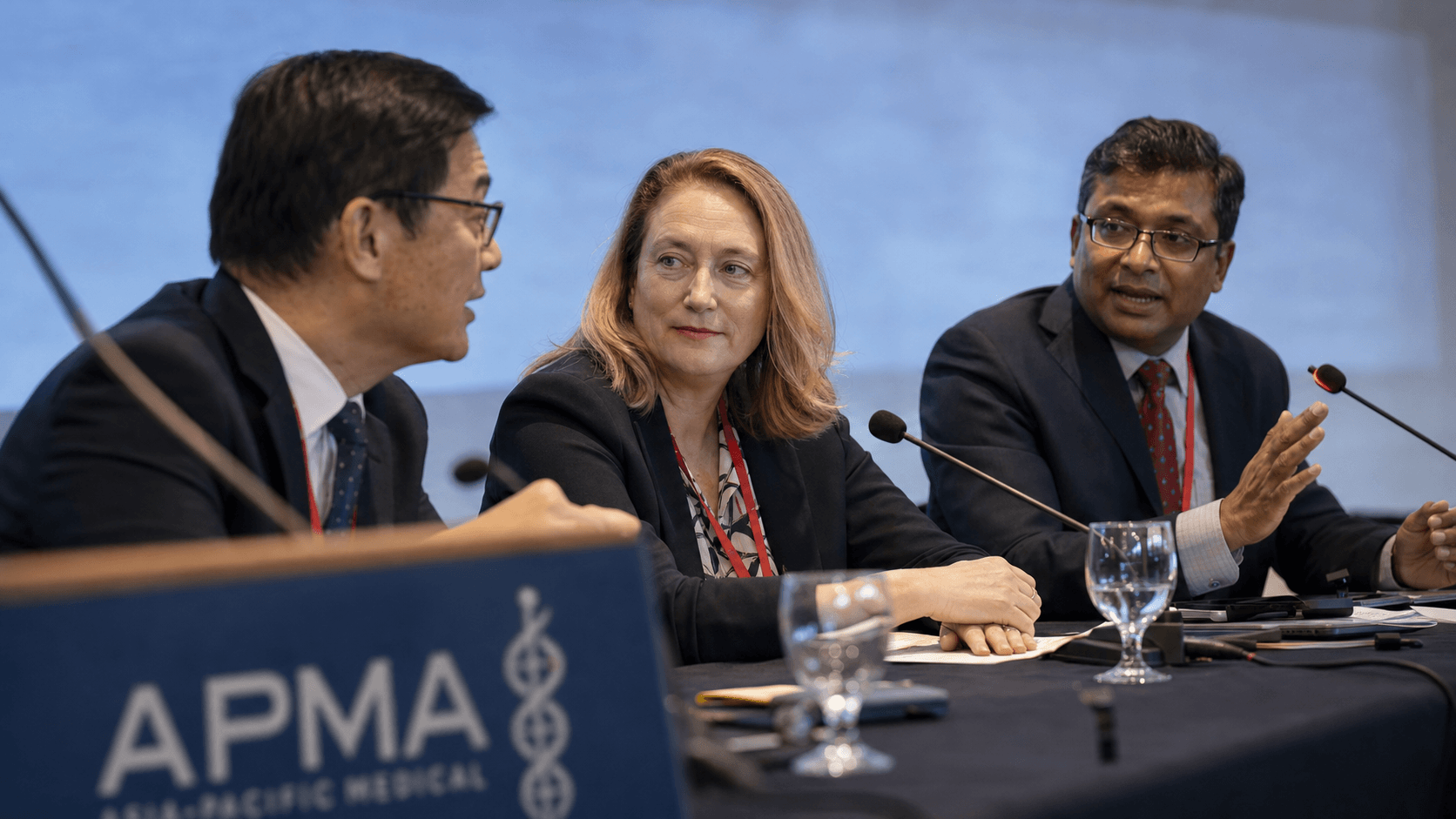
Explore enduring medical concepts that support informed choices, clearer conversations with qualified professionals, and a stronger understanding of the factors that shape health across the life course.
Enter the Preventive Health Library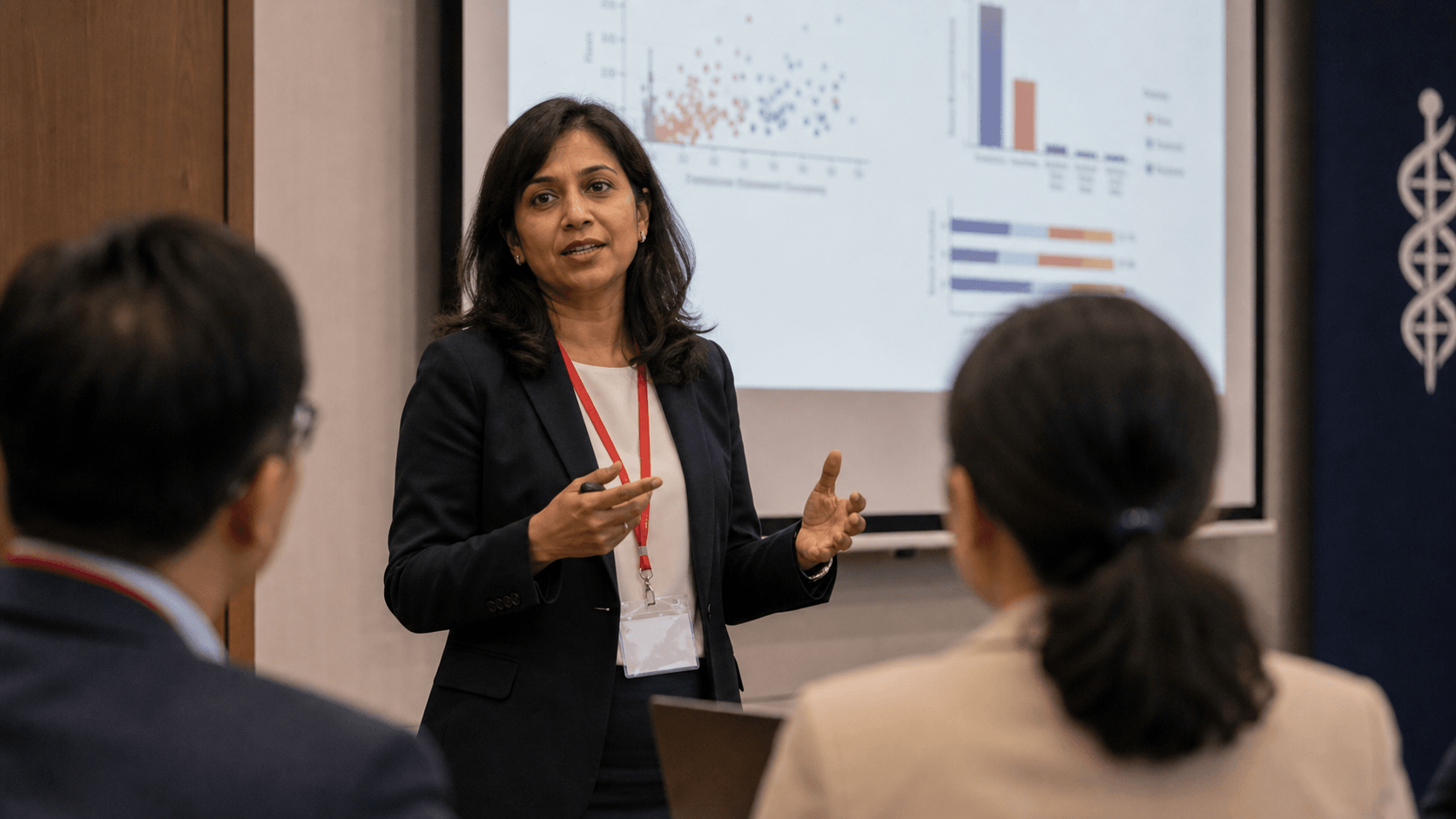 Preventive CareScreening conversations, immunization, routine health review, and risk awareness.
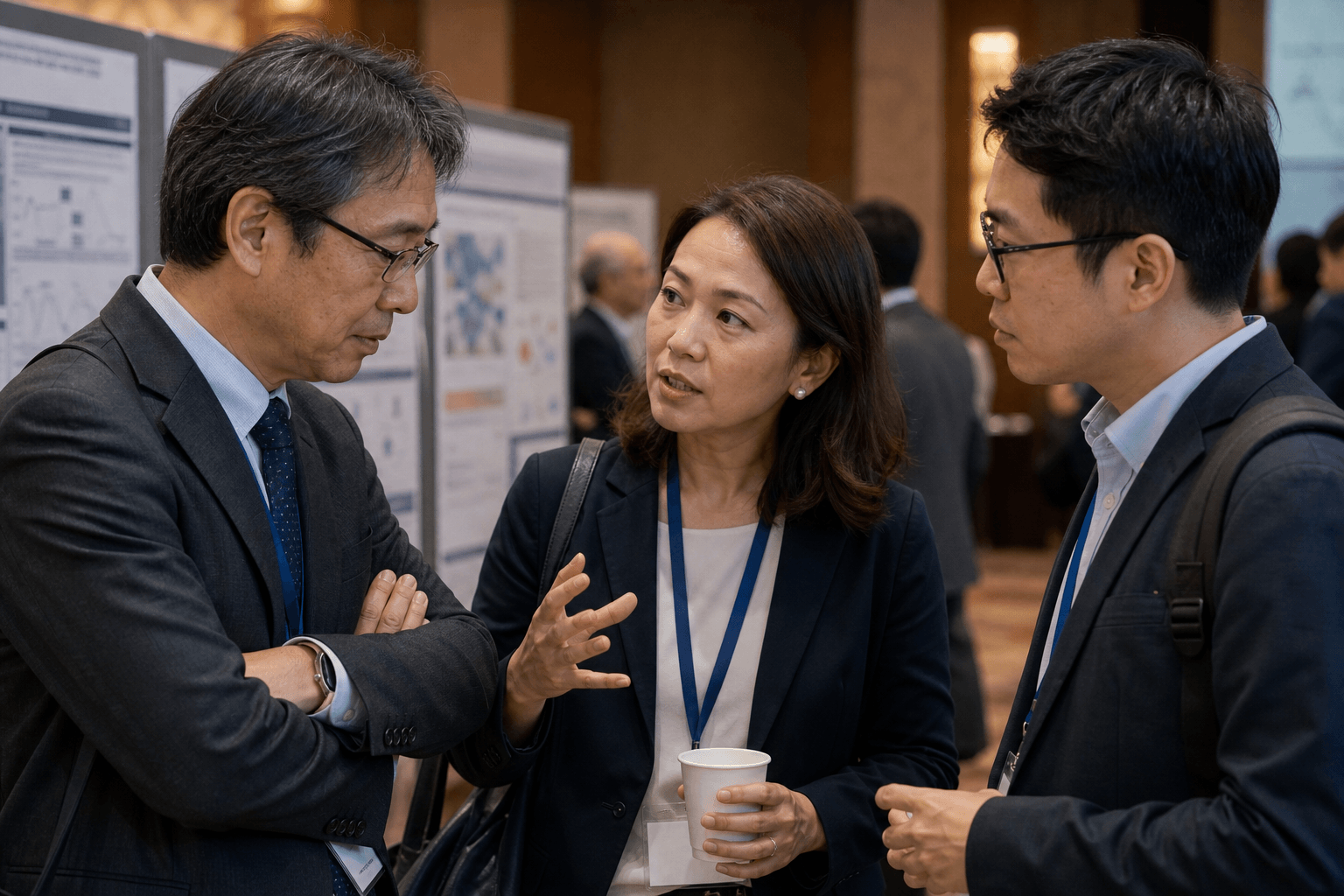 Heart & Metabolic HealthBlood pressure, cardiovascular risk, glucose health, and sustainable prevention.
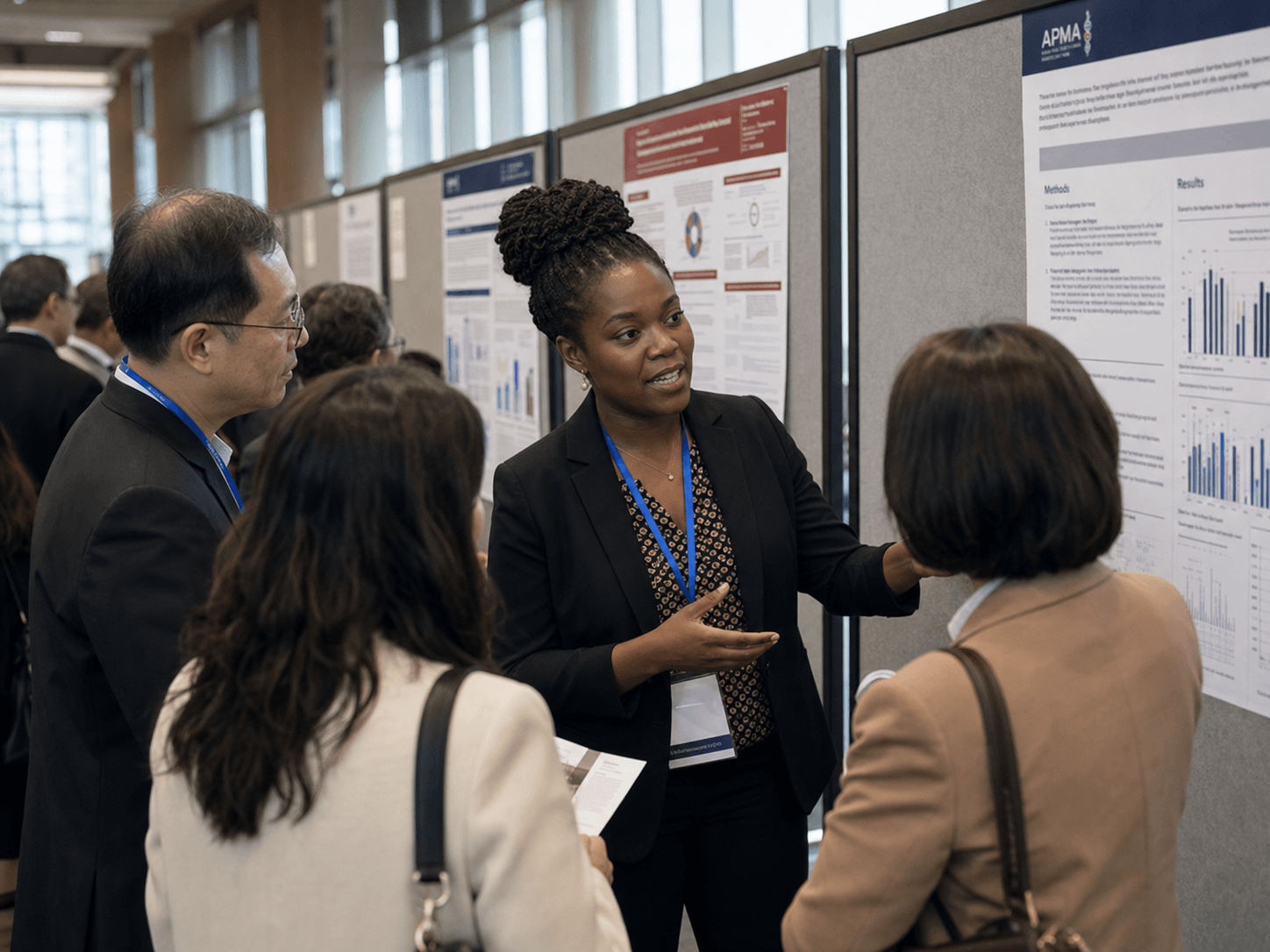 Healthy AgeingMobility, cognition, independence, medicines, nutrition, and caregiver health.
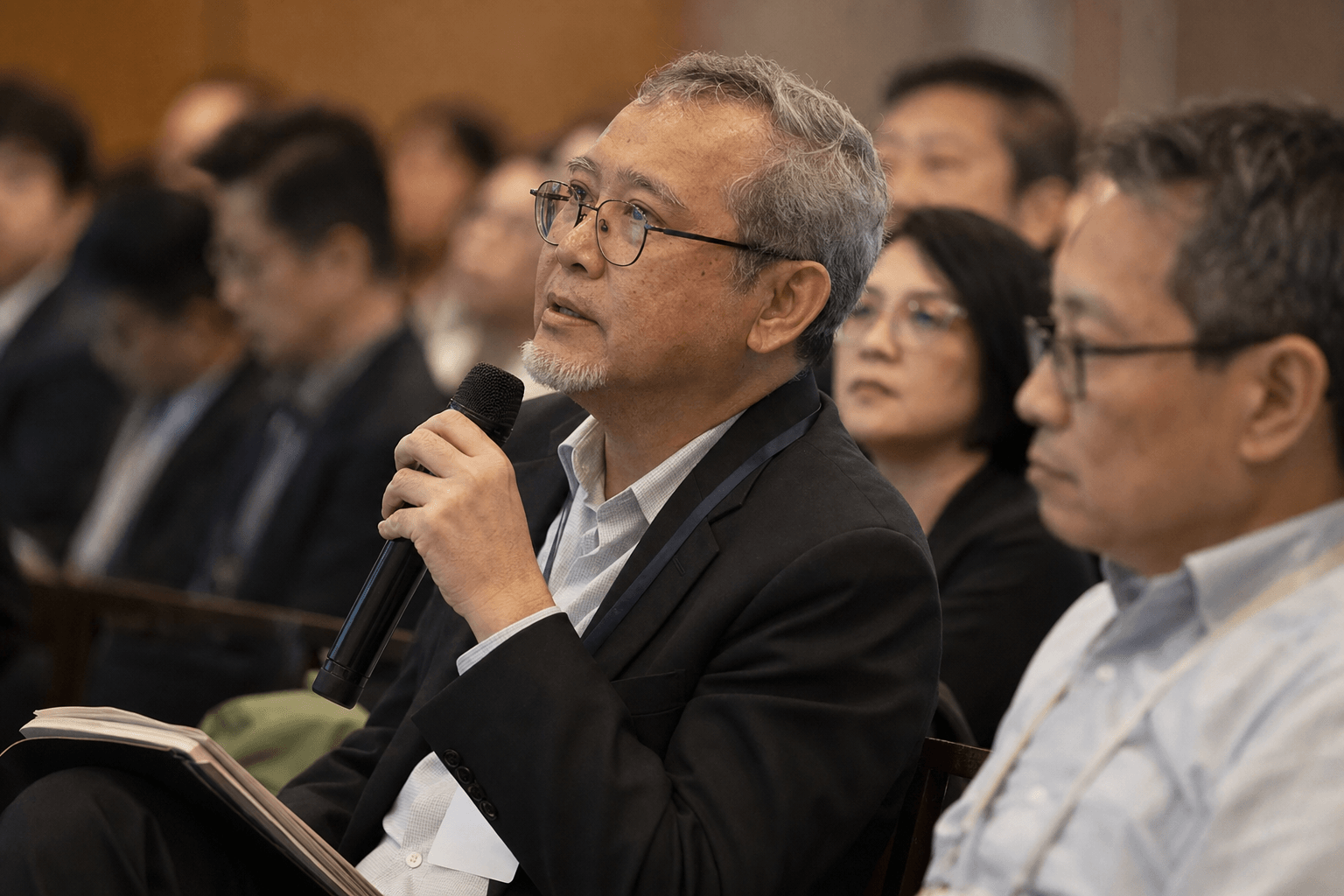 Environmental & Community HealthAir quality, climate-related risks, workplace health, safety, and preparedness.
Health Topics
The APMA Compendium of Clinical Conditions supports medical understanding across cardiovascular, metabolic, respiratory, neurological, infectious, mental-health, cancer, and other major clinical domains. Each entry is designed to strengthen health literacy and informed patient–clinician dialogue.
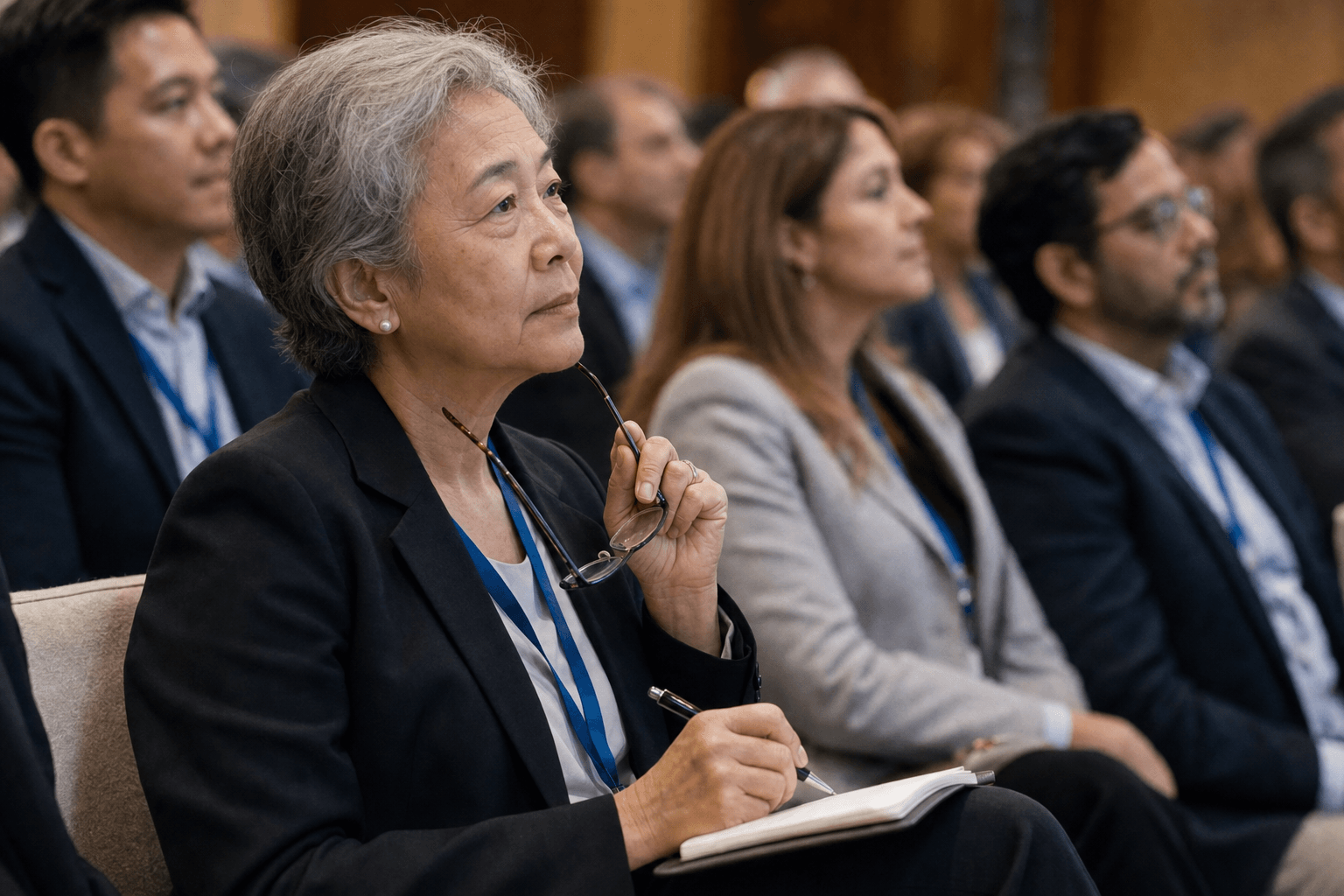
Heart and vascular disease, blood pressure, circulation, stroke risk, and cardiovascular warning signs.
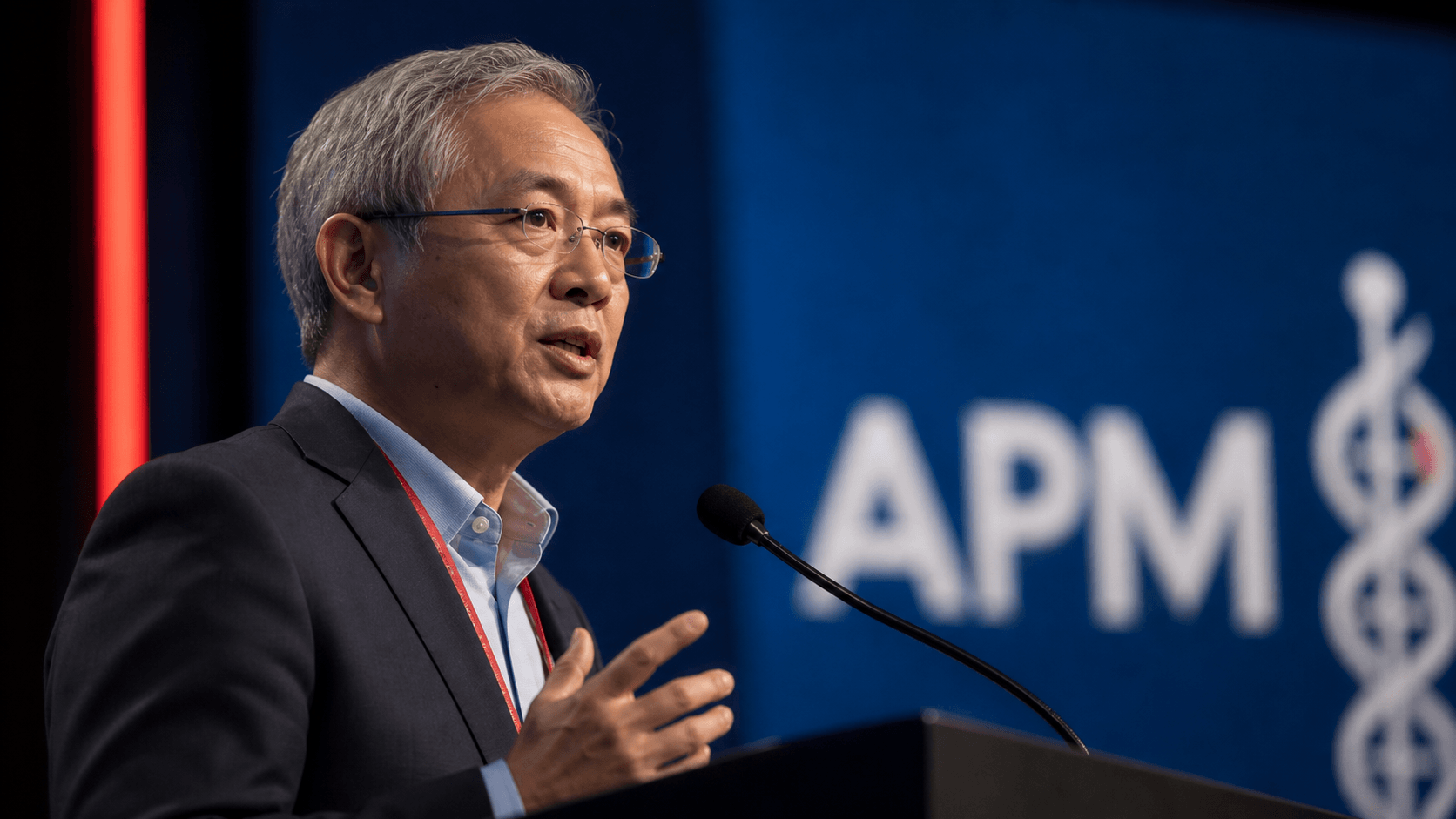
Clear public education concerning symptoms that require urgent or emergency medical assessment.

Diabetes, thyroid disease, obesity, metabolic syndrome, lipid disorders, and long-term metabolic risk.
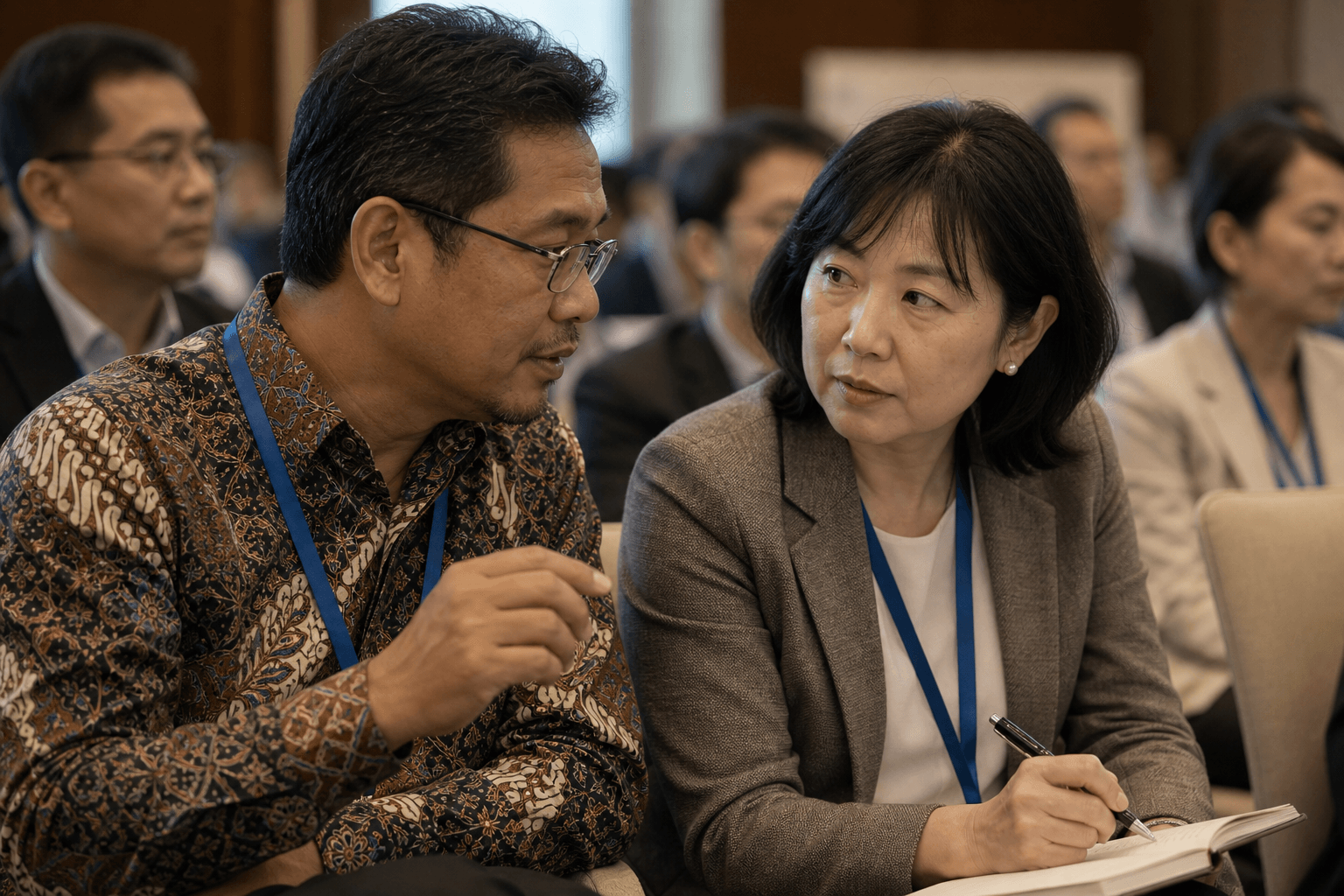
Brain and nerve conditions, cognition, seizures, movement disorders, headache, and stroke awareness.
Science & Policy
APMA provides an independent forum in which scientific evidence, clinical expertise, ethical analysis, and institutional experience inform consequential dialogue on health policy and population health.
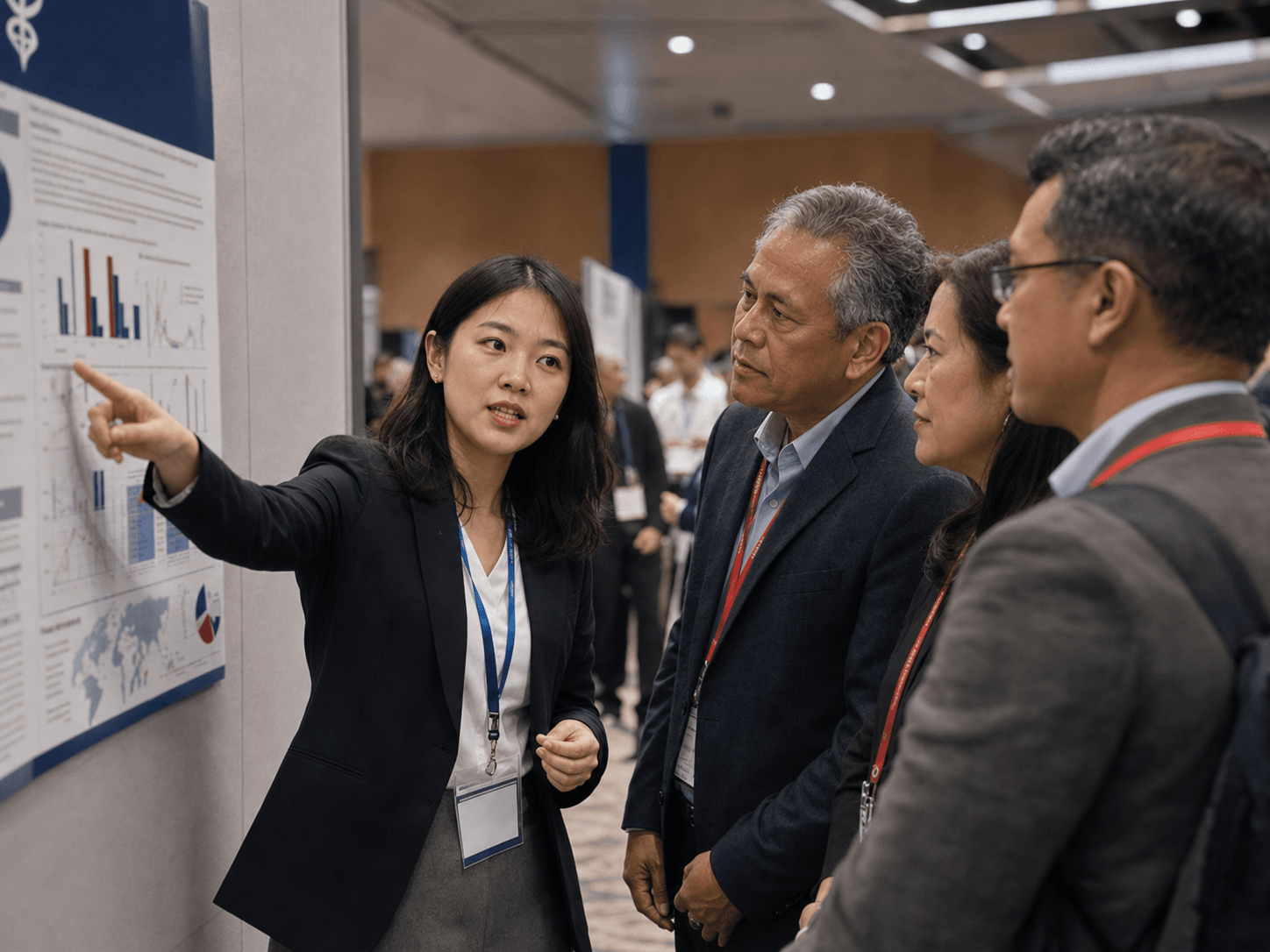
Structured summaries and institutional perspectives that communicate evidence without overstating certainty.
Expert forums examining quality, safety, ethics, and the evolving responsibilities of medical practice.
Cross-sector discussion on prevention, preparedness, health literacy, and equitable access to reliable information.
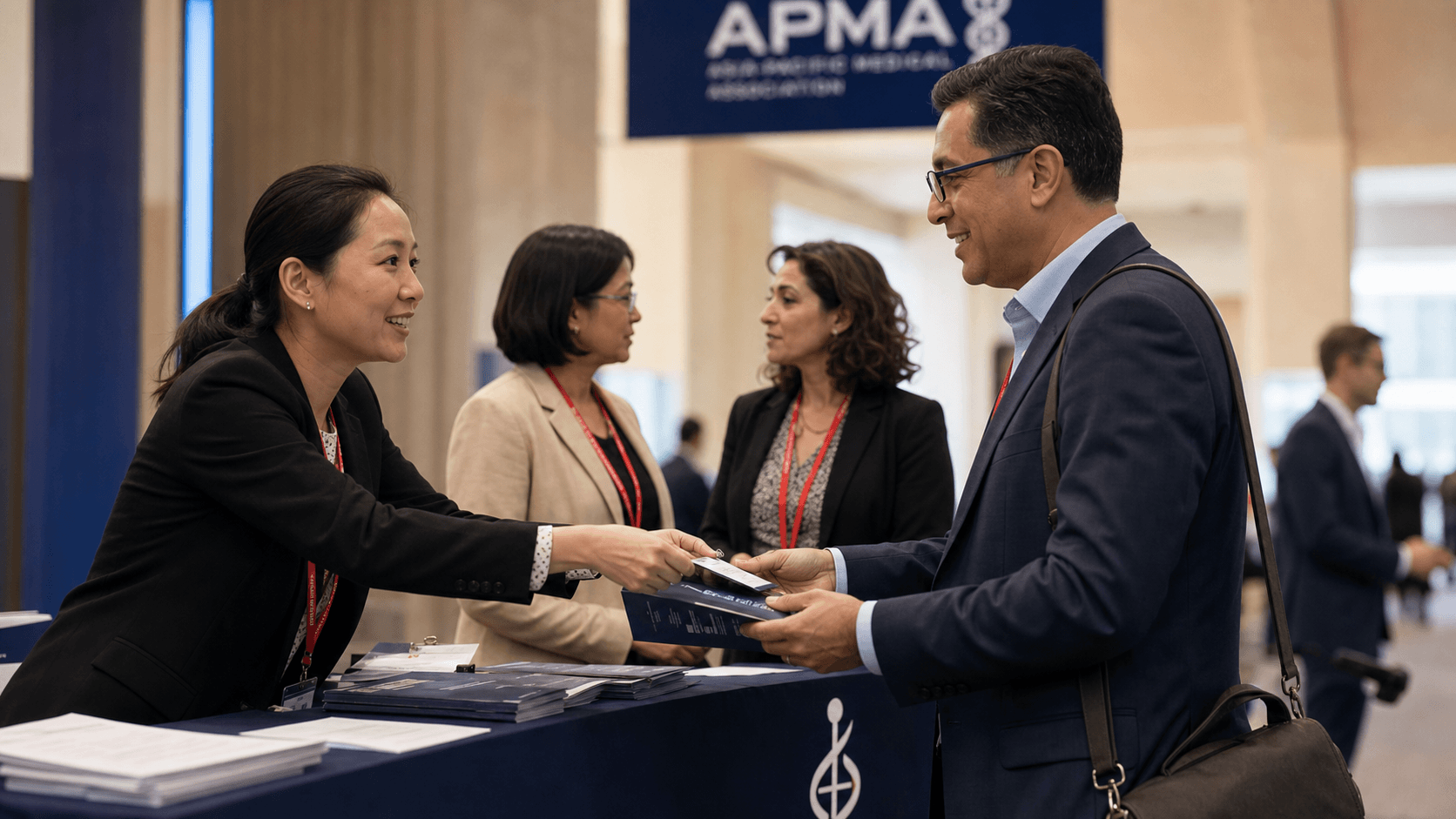
Support the Mission
Join an international community committed to scientific rigor, ethical leadership, clinically responsible education, and sustained cooperation across medical disciplines and health systems.
APMA health information is intended for public education and professional dialogue. It does not replace medical diagnosis, treatment, or individualized advice from a qualified healthcare professional. Emergency symptoms require immediate local medical attention.